We have always done it that way
"Why change!” This is the refrain I often heard at the start of my career. At the time I was asking the firm I worked at to move from manual hand calculations to 2D digital analysis software. There was plenty of resistance — most borne from the senior engineer’s lack of experience and understanding of the tools. Before anyone trusted ‘the software’, I had to check its results against the hand methods we already understood…and let me tell you moment distribution on a multi-story structure was not fun!
Structural engineers entering the workforce face a steep learning curve. You need to drink from the proverbial firehose to get up to speed quickly on design codes, building standards, company policies and procedures, and most importantly, develop engineering judgment. On the other hand, most of you engineers just embarking on your careers bring something extremely valuable: exposure, experience and comfort with emerging technology, and fewer pre-conceptions about how ‘the work has always been done’. Today the most likely technological opportunity in front of you is with artificial intelligence and AI-assisted coding
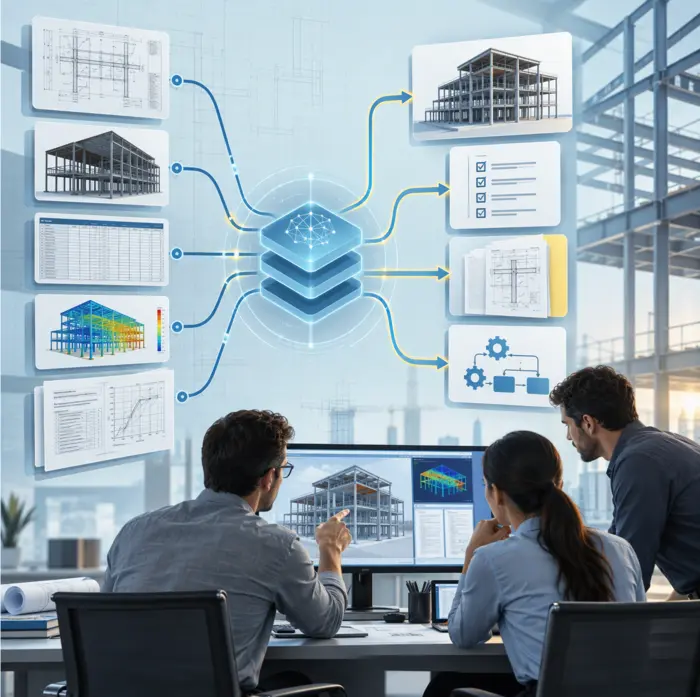
Back in the ‘old days’, when we switched from hand drawings to CAD, I remember a drafter protesting the new technology. “I can draw faster and more elegantly than CAD,” he said. You know what? I didn’t doubt it. But the real payoff wasn’t one drawing—it was creating intellectual property for the firm. Standard details, drawing standards, templates, and eventually connections to design software made the next project—and the one after that—faster to produce and easier to change. AI offers a similar opportunity today. Summarizing standards, drafting reports and letters, and pulling information together will be useful, but the bigger prize is in unlocking the knowledge buried in a firm’s past work. Firms that can use that experience to train models to produce a ‘first draft’ of the next project stand to gain the most. And you, as a young engineer, can help them get there faster!
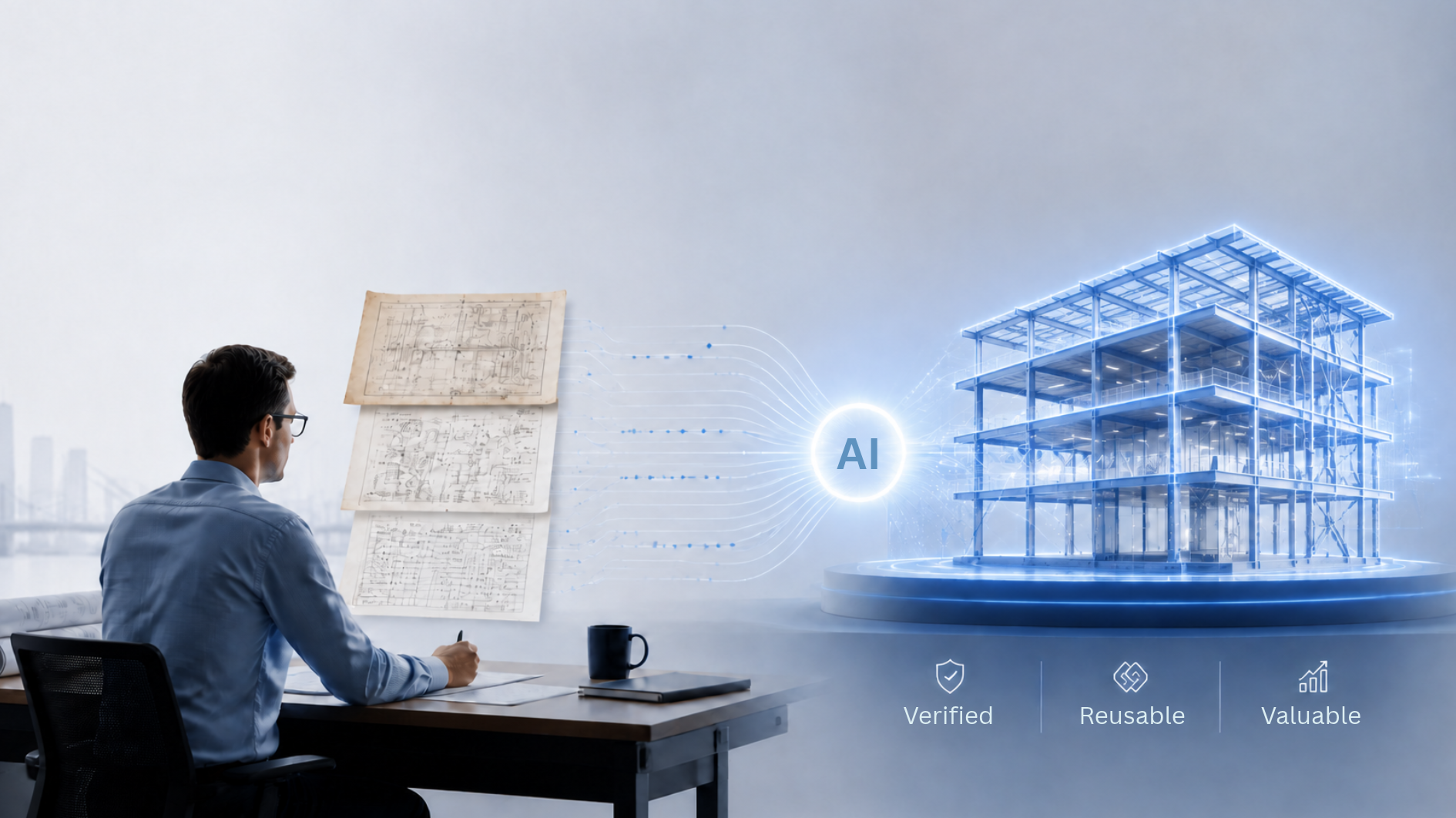
Here’s where you can turn AI’s potential into an advantage for your firm—and yourself! Much of your firm’s knowledge lives in past drawings, analysis models, and spreadsheets. Learn how to connect AI to the software your firm uses, extract useful information, and organize it for secure reuse. AI-assisted coding and plain-language connections can help you build repeatable workflows, for example to create conceptual design models, to generate construction specifications, to perform preliminary design reviews.
Your firm gains lasting intellectual property from the methods you develop to capture its knowledge, the AI models trained on its work, and the skills and workflows you refine for future projects. But AI must support—not replace—mentorship and engineering judgment, earning trust through testing, professional review, and responsible use. Pair your comfort with new technology with a commitment to checking its results, and you can help your firm move past resistance. The reason to adopt AI isn’t that it’s new—it’s that you’ve demonstrated useful, reusable, and safe value.
This article was developed in conjunction with Copilot but I created the initial draft, reviewed suggested edits, and approve the message… Raoul Karp
Suggested reading
ACEC Research Institute’s
Redefining the Firm: Talent + Technology (ACEC, May 2026).
The Role of Artificial Intelligence in the Engineering Industry (ACEC, May 2025).